Platypuses are some of the most delightfully random creatures around. With their mix-and-match features—like a bill that looks borrowed from a duck and a tail that seems straight out of a beaver—they feel like nature improvised halfway through. They glide through water with quiet confidence, looking bizarre yet perfectly at home, and somehow manage to be both adorable and completely puzzling at the same time. Here are five-word facts about them!
Platypus are mammals that ley eggs
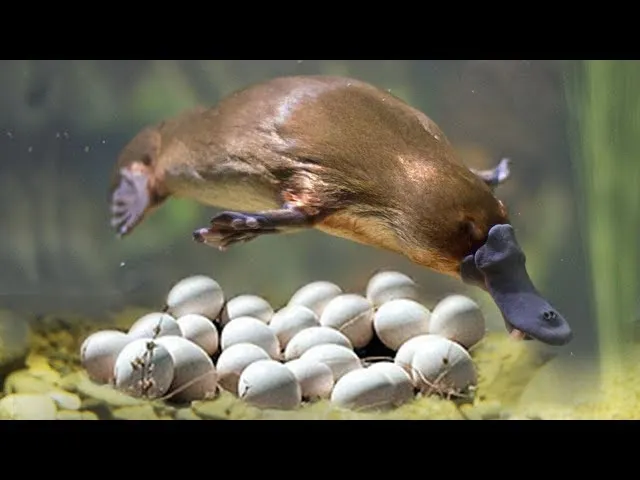
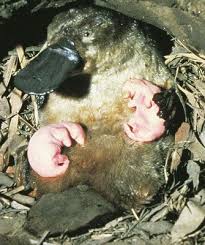
Platypus are one of only 5 species of mammals that lay eggs. After a gestation period of 2 to 4 weeks, female playpus lay between 1-3 eggs. The female platypus incubates the eggs 6-10 day by raping herself around the eggs tail to beak. After hatchhing the baby platypus stay with their mother for 3 to 4 months before becoming independent
Males have a venomous spur on their inner ankle.
Male platypus have a potent venomous spur in their anckle that when it peierces skin it can kill a small animal. The spur is attached to a small bone that allows it to move at a right angle to the limb. This allows for a greater range of attack than a fixed spur would allow. Platypus Normaly used it against other male platypus durig mating season, but humans who had been pierced describe it as extreamly painfu but not lethal.
Female platypus sweat milk
Well not exactly but almost. Unlike most mammals, Female Platypus don't have nipples to produce milk. Instead, their mammary glands are located under the skin on their belly. They then secrete milk through the skin and into the fur on their underside.The babies then suck the milk from from special mammary hairs.
Platypus glow in the dark
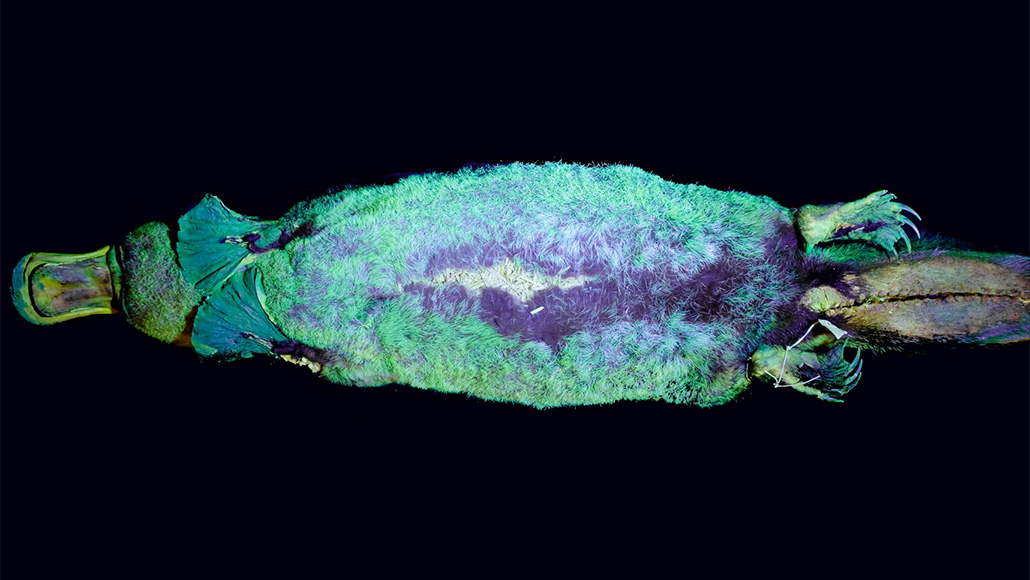
Under visible light the platypus' dense fur coat looks a standar brown, but scientist just discovered that under uv light it looks a bright alien turquese blue. In a study published in the journal Mammalia Scientist in the found that when illuminated by UV light, the furs of platypuses gave off a blue-green glow. Many animals such fish, reptiles, insects have and many more have this trait called bioluminescence, however the platypus is one of 3 mammals to be bioluminescent.
Platypuses can detect electric fields
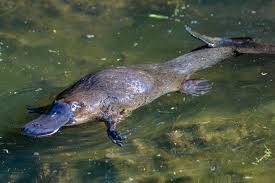
Platypuses have soft bills similarly shaped to a duck"s bill. Unlike a duck platypuses have thousands of sensors on their bills that let them feel the electrict currents made by the muscle movemnts of their pray. This allows platypuses to hunt underwater with their eyes, nose and ears closed.